
Channels, Not Shows

Three creator-originated movies broke through in theaters this year: Iron Lung, Obsession, and Backrooms. The easy read is that YouTubers can now make movies. That is true enough, but it is not the most interesting part. The more interesting question is why those audiences showed up there.
A restaurant review can create a line once. It cannot create regulars. That is the difference between what YouTube can generate and what the best creators are actually building. YouTube can route traffic. A channel creates the reason people come back.
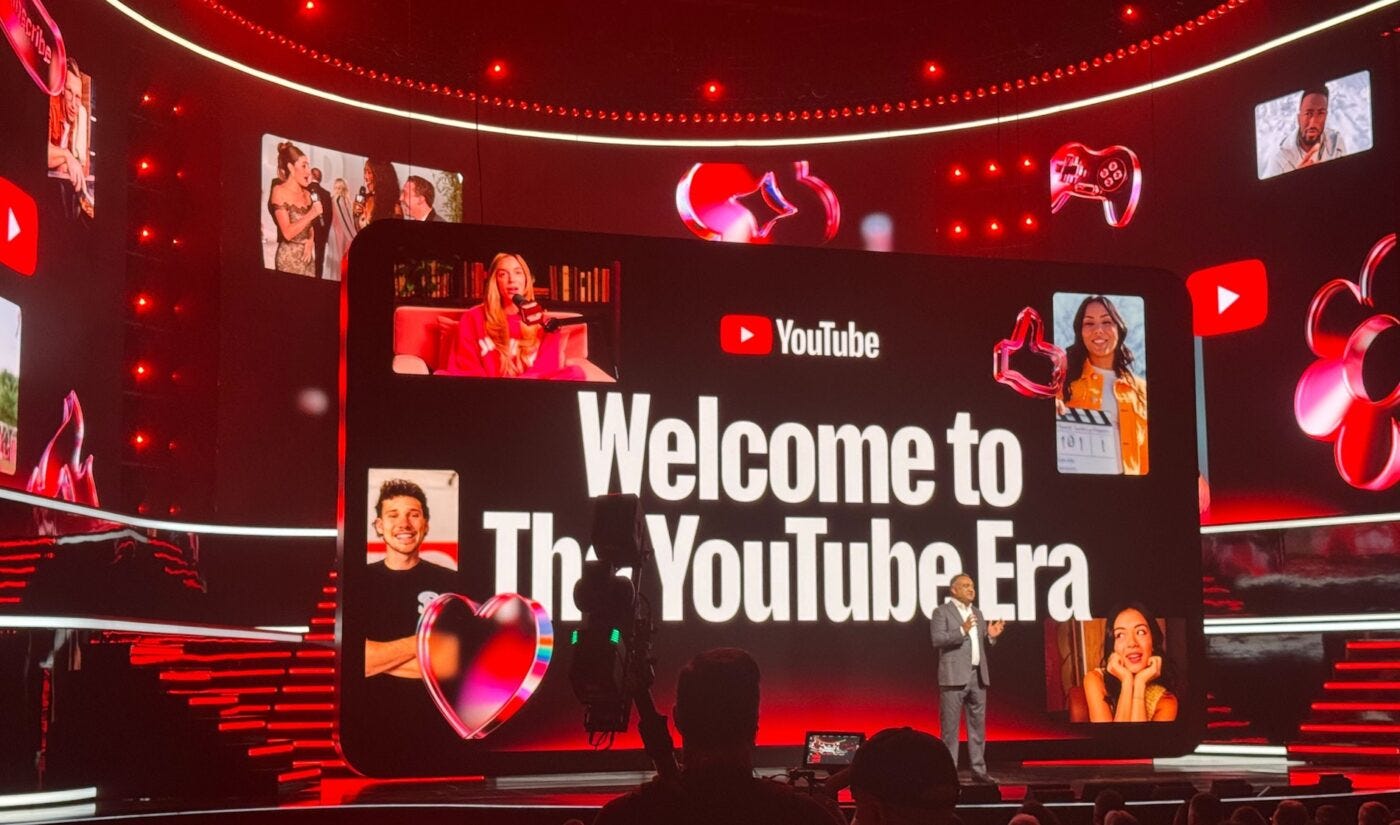
That is what made me think back to YouTube’s Brandcast a few weeks ago. The pitch made me uneasy. YouTube told advertisers that creators were becoming the new stars and studios, but the presentation still felt less like a studio slate and more like a TV upfront: shows, packages, inventory, reach. If creators are becoming studios, then we should not read them like a network upfront. We should read them like studios: not by one show, not by one slate, but by the repeatable audience relationship underneath it. That is where YouTube’s language starts to break. YouTube is selling shows because shows are easy for advertisers to understand. The durable creator business is built around channels.
Those are not the same thing. A TV network upfront sells shows because shows create inventory. A studio slate sells something different: IP, talent, franchise potential, and repeatable audience connection. A show gives an advertiser something to buy. A channel gives a creator something to build.
A show is a discrete object with a beginning, a release, a campaign, and an end. When it ends, the platform routes the viewer somewhere else. A channel is not a container for content. It is a promise about what kind of experience the viewer can expect when they return. It is cadence, tone, grammar, trust, and familiarity built over time. Babish did not build a viral hit. He built a viewing habit. Kurzgesagt is not a collection of videos. It is a trusted way of thinking about complicated subjects. The value is not only in what gets watched, but in why people return.
That is where YouTube’s incentive and the creator’s incentive begin to separate. For YouTube, a view is a view. The platform can route a casual browser into a creator’s video, monetize the session, and move on. The show is legible to advertisers, scalable across the platform, and requires no prior relationship between the viewer and the creator. YouTube can afford to collapse viewers into views. Creators cannot. The show audience and the channel audience are not the same people. They do not behave the same way. The show audience arrived because something routed them there. The channel audience returned because they wanted to. One is traffic. The other is relationship. In No One Planned This, I describe this as one of the defining shifts in how platform audiences form: the valuable unit is no longer the individual piece of content. It is the repeatable destination that creates expectation, trust, and return.
That distinction is starting to show up outside the feed. The creator film wave matters because theaters are a new surface. A YouTube view is still inside YouTube’s system. A movie ticket is not. It requires the audience to leave the feed, make a plan, spend money, and show up. What has changed is not that YouTubers suddenly became better filmmakers than Hollywood. It is that some creators now bring something the movie business has always valued: a built-in audience with a reason to show up. The channel audience is the group that does not need a trailer to understand why the movie matters. They already know the creator’s grammar, world, and tone. That early turnout creates the cultural signal that pulls the broader audience in behind it. The movie is not the source of demand. It is where demand becomes visible. And the demand was built in the channel, over years, one return visit at a time.
This is what YouTube’s upfront language misses. A show can win the feed. A channel can outlast it. That is demand the creator earned, not demand the platform routed.
YouTube can generate traffic. A channel creates regulars. And regulars follow you when the platform stops doing the work.